
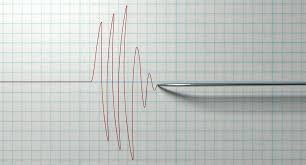
Polygraph tests, more commonly known as lie detector tests, are used to determine whether a person is being truthful by measuring physiological responses during questioning. These responses include heart rate, blood pressure, respiratory rate, and skin conductivity, all of which can change when a person is nervous or deceptive. Lie detector In Alabama, the use of polygraph testing is relatively common in law enforcement and government agencies, particularly during criminal investigations and pre-employment screenings for sensitive positions. While the test can provide useful insights, it is not without controversy. Questions remain about its accuracy, its legal admissibility, and the ethical concerns tied to its use. Understanding how polygraph tests are used in Alabama, as well as the laws and regulations surrounding them, is essential for those who may encounter this technology in legal or professional settings.
How Polygraph Testing Works
A polygraph test consists of several stages designed to collect and interpret data related to a person’s physical responses to questioning. The process begins with a pre-test interview, where the examiner explains the procedure, answers any questions, and establishes a baseline by asking general questions. During the test, the subject is connected to sensors that monitor their physical responses while they answer a series of questions, some of which are neutral, some are control questions, and others are directly related to the matter under investigation. The theory behind the test is that deceptive answers will cause noticeable changes in the subject’s physiological responses due to increased stress or anxiety. However, interpreting these changes requires significant training and expertise, as they can also be caused by factors unrelated to deception, such as nervousness, fear, or confusion. In Alabama, polygraph examiners must be licensed, and their work is overseen by the Alabama Polygraph Examiners Board, which ensures that testing is conducted ethically and competently.
Legal Framework for Polygraph Use in Alabama
In Alabama, polygraph tests are primarily used in law enforcement settings, and their use is governed by both state regulations and federal laws such as the Employee Polygraph Protection Act (EPPA). The EPPA prohibits most private employers from using polygraph tests to screen job applicants or as part of employment evaluations, with a few exceptions for jobs in security services or positions that involve controlled substances. State laws in Alabama align with federal standards and also require that polygraph examiners be properly licensed and trained. Law enforcement agencies in the state frequently use polygraph tests during criminal investigations, particularly to verify witness statements or assess the credibility of suspects. Additionally, many police departments in Alabama require applicants to pass a polygraph examination as part of the hiring process. However, it is important to note that polygraph results are generally not admissible in Alabama courts as standalone evidence unless both parties agree to their use. This cautious legal stance reflects widespread concerns about the reliability and objectivity of polygraph testing.
Accuracy and Controversy Surrounding Polygraph Tests
Despite their longstanding use, polygraph tests continue to be a subject of debate among scientists, legal professionals, and civil rights advocates. Supporters of the polygraph argue that, when properly administered by a skilled examiner, the test can be a useful investigative tool with accuracy rates ranging from 80% to 90%. Critics, however, argue that the polygraph measures physiological responses that are not uniquely tied to lying. Anxiety, fear, or even medical conditions can influence the results, leading to false positives or false negatives. A truthful person may fail the test due to nervousness, while a deceptive person who remains calm might pass. These issues have led courts in Alabama and elsewhere to approach polygraph evidence with caution, usually barring its use in trials due to concerns over its scientific reliability. Ethical concerns also arise when people are pressured into taking polygraph tests or when results are used to make life-altering decisions despite their potential for inaccuracy.
The Future of Lie Detection in Alabama
While traditional polygraph testing remains a common practice in Alabama’s law enforcement and government sectors, new technologies and research are beginning to challenge its dominance in the field of lie detection. Methods such as voice stress analysis, neuroimaging, and artificial intelligence-based behavioral analysis are being explored for their potential to offer more objective and accurate insights into human deception. These alternatives are not yet widely adopted or regulated, but they signal a shift in how the science of truth verification may evolve in the coming years. In the meantime, polygraph testing in Alabama continues to play a supportive role in investigations and employment screening, though it is rarely relied upon as the sole determinant of truth. Those asked to take a polygraph in Alabama should be informed of their rights, understand the limits of the technology, and recognize that the results are only one piece of a much larger puzzle when it comes to evaluating credibility.
Location in Alabama
- Montgomery – 445 Dexter Ave suite 4050, Montgomery, AL 36104, United States
- Birmingham – 2100 Southbridge Pkwy Suite 650, Birmingham, AL 35209, United States
- Mobile – 11 N Water St 10th Floor, Mobile, AL 36602, United States


